
Treatments
Every treatment here is chosen for a diagnosis. Four categories, every one image-guided, and the least invasive option that fits comes first.
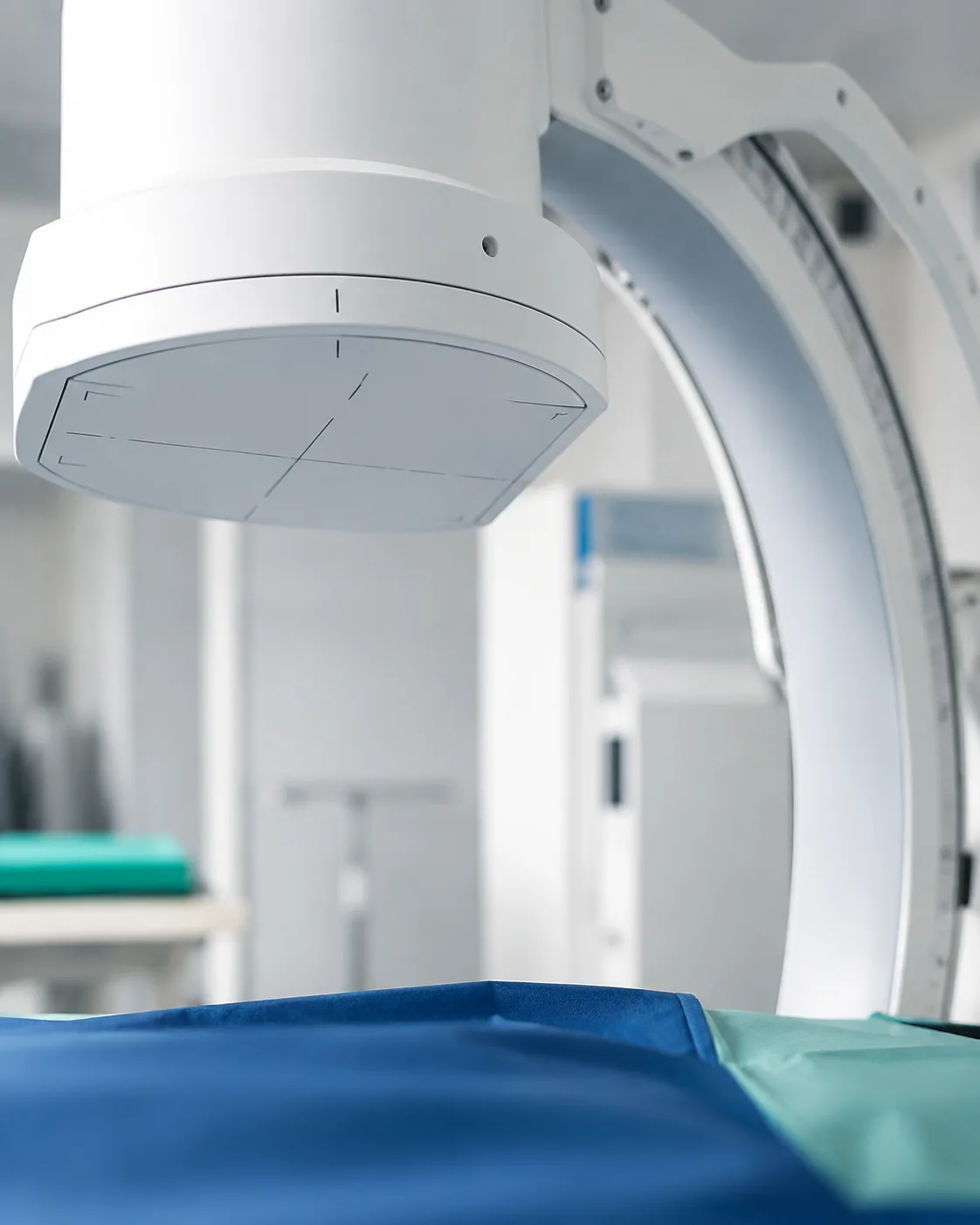
Interventional Spine
Reaches the exact structure causing the pain. Image-guided injections and nerve procedures for a disc, a facet joint, the SI joint, or an irritated nerve.
Procedures include
- Epidural steroid injections (cervical, thoracic, and lumbar)
- Facet joint and medial branch blocks
- Radiofrequency ablation
- Sacroiliac joint injections
- Selective nerve root blocks
- Sympathetic nerve blocks
- Disc-based treatments
Often the answer for
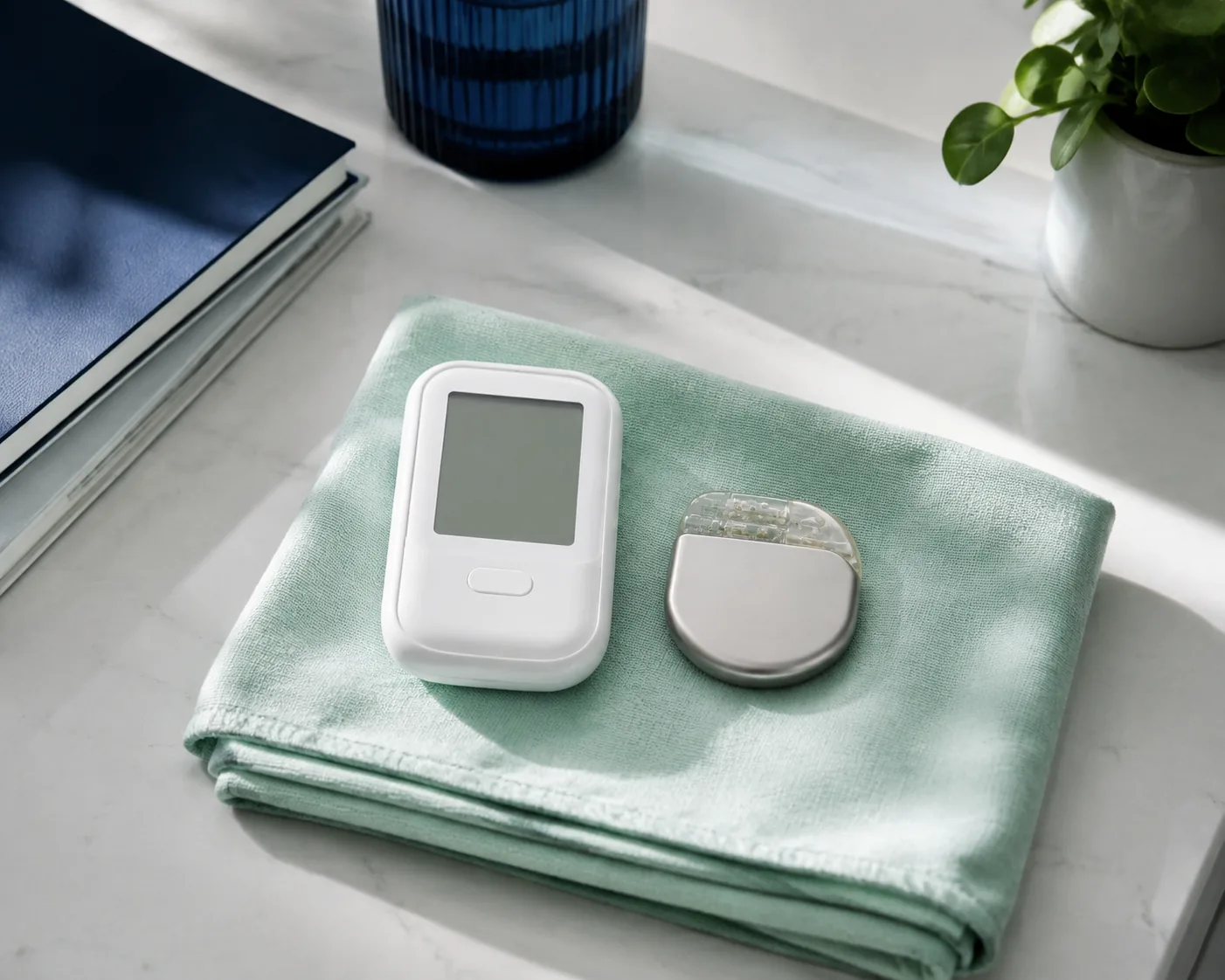
Neuromodulation
Modifies pain signaling within the nervous system. Advanced therapies such as spinal cord stimulation can provide meaningful relief for appropriately selected patients. Treatment typically begins with a temporary trial, so you and your physician evaluate the response before considering permanent implantation.
Procedures include
- Spinal cord stimulation (SCS)Trial and permanent placement.
- Peripheral nerve stimulation (PNS)Targeted neuromodulation for selected peripheral nerve pain conditions.
- Dorsal root ganglion (DRG) stimulationTargeted neuromodulation for certain focal neuropathic pain conditions.
- Ongoing neuromodulation managementIndividualized programming, optimization, and long-term follow-up.
Often the answer for
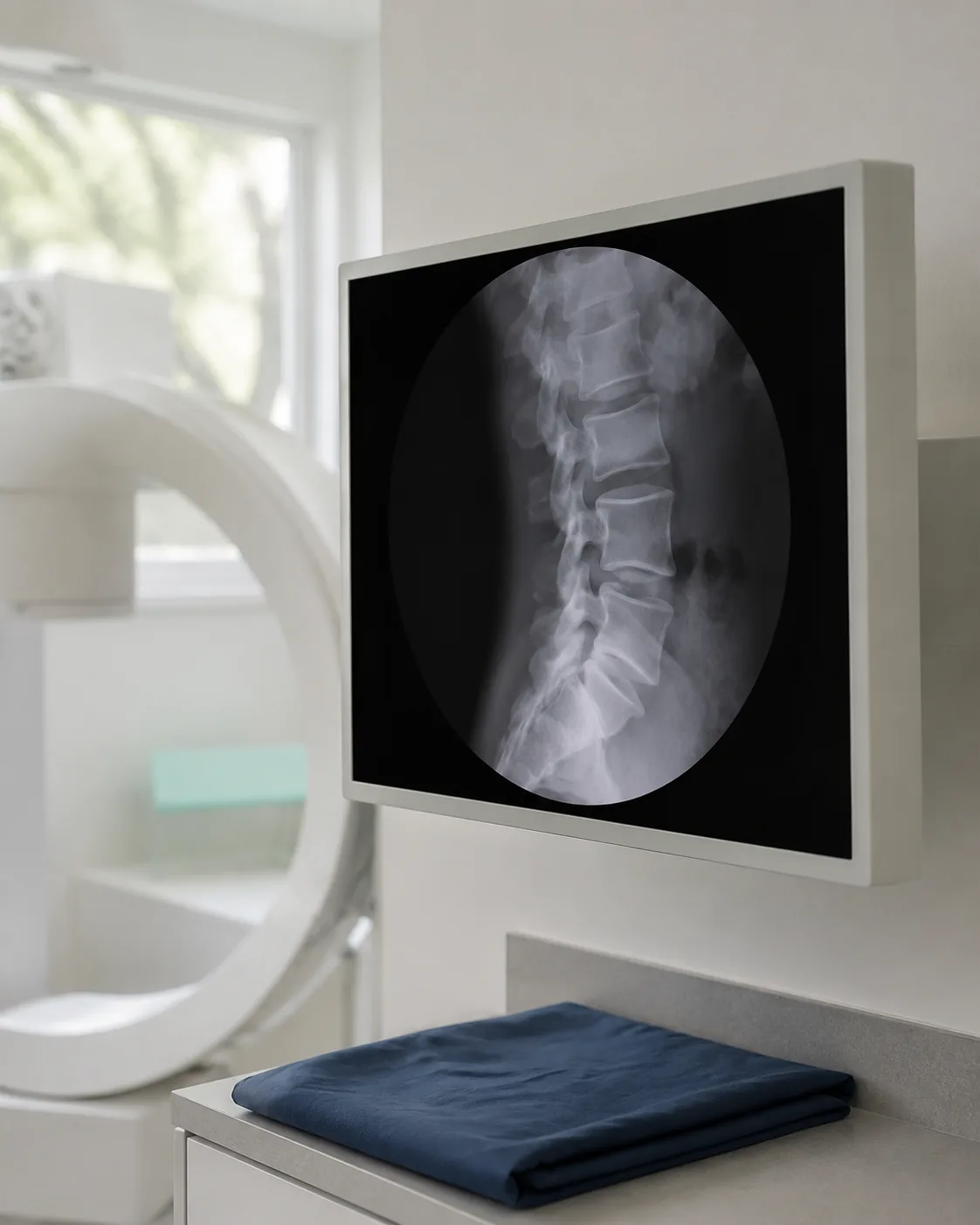
Minimally Invasive Spine
Advanced treatment without major surgery. Small incisions or percutaneous access and image guidance treat specific sources of spine-related pain, typically on an outpatient basis with most patients home the same day. An option when conservative care is no longer enough but major spine surgery may not be necessary.
Procedures include
- Vertebral augmentation (kyphoplasty)Minimally invasive treatment for painful vertebral compression fractures.
- Minimally invasive lumbar decompression (MILD®)Image-guided treatment for appropriately selected patients with lumbar spinal stenosis.
- Interspinous spacer proceduresMinimally invasive treatment for lumbar spinal stenosis with neurogenic claudication.
- Basivertebral nerve ablationMinimally invasive treatment for vertebrogenic low back pain.
- Disc-based treatment (ViaDisc®)Minimally invasive treatment for chronic pain from degenerative intervertebral discs.
- Minimally invasive sacroiliac joint proceduresAdvanced options for sacroiliac joint pain when simple injections fail to provide lasting relief.
Often the answer for
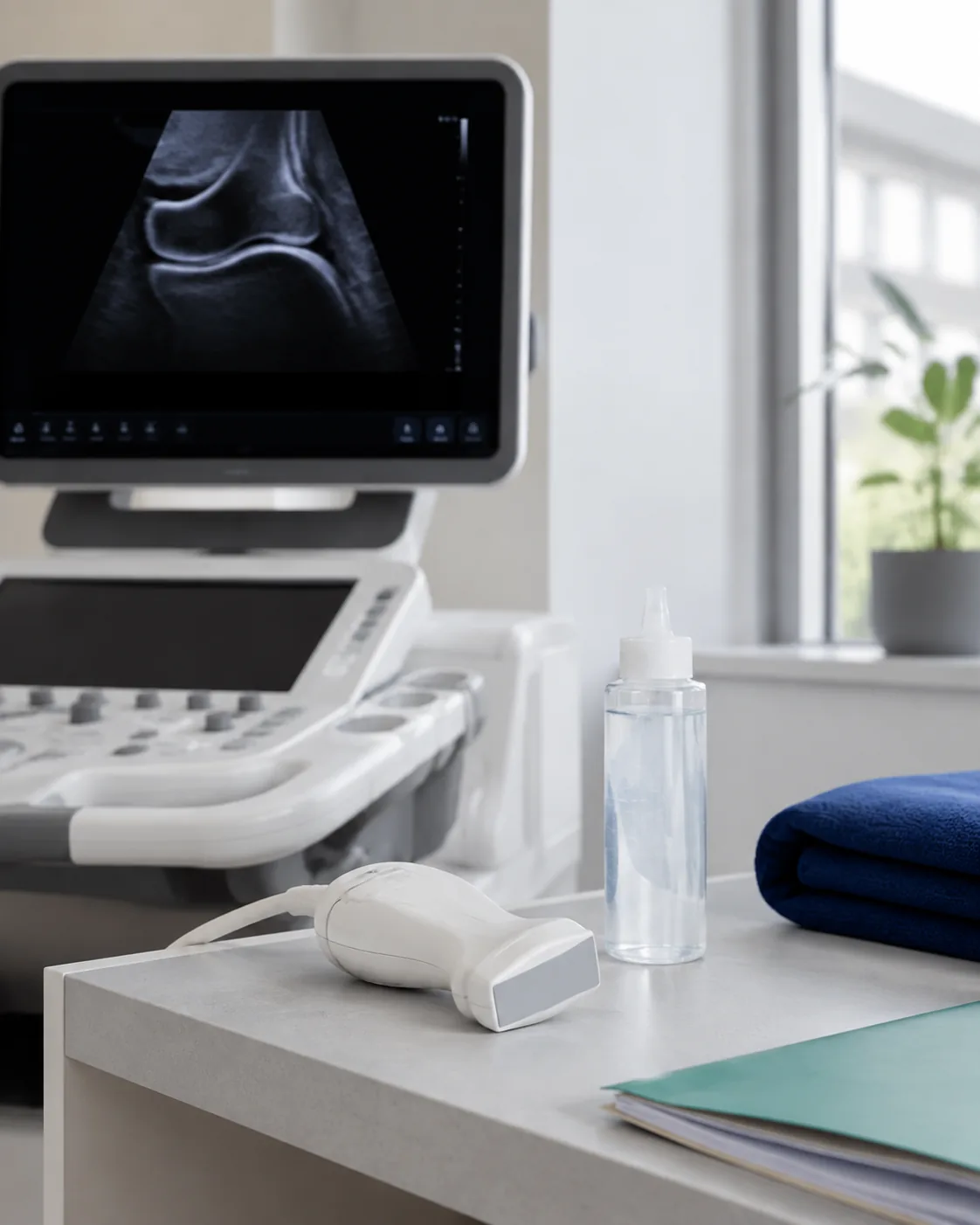
Joint and Musculoskeletal
For when the joint itself is the source. Ultrasound- and X-ray-guided treatment for the knee, hip, and shoulder, and for the nerves around those joints.
Procedures include
- Ultrasound-guided joint injections
- Genicular nerve blocks and ablation for knee pain
- Bursa and tendon injections
- Trigger point injections
Often the answer for
Common questions
- How is a treatment chosen?
- Nothing is treated until the source of the pain is confirmed. Then the least invasive option that fits the diagnosis and fits you comes first. Which category, and whether any procedure is needed at all, is decided with you after the evaluation.
- Do I have to commit to an implant for spinal cord stimulation?
- No. Treatment typically begins with a temporary trial, so you and your physician evaluate the response before considering permanent implantation.
- Will I need to stay in the hospital for a minimally invasive spine procedure?
- These procedures are typically performed on an outpatient basis, with most patients returning home the same day.
- Is every treatment image-guided?
- Yes. Every treatment at SIPS uses X-ray (fluoroscopy) or ultrasound guidance to reach the exact structure causing the pain.
Expert care should not be difficult to access.
Request an appointment and the office will call you within one business day to schedule. Providers can refer by fax or phone today.